Sushi has gained immense popularity worldwide for its unique taste, delicate presentation, and cultural significance. Originating in Japan, this traditional dish has captured the hearts and taste buds of people across the globe. If you’re a sushi enthusiast or just starting your culinary journey with this exquisite delicacy, here are some basics to know about sushi making classes boston.
Sushi, at its core, is a Japanese dish made primarily with vinegared rice, commonly known as “shari,” combined with a variety of ingredients such as seafood, vegetables, and occasionally, tropical fruits. There are different types of sushi, each with its own distinct preparation and presentation styles.
Nigiri sushi is one of the most popular forms of sushi. It consists of a small mound of rice topped with a slice of raw or cooked seafood, like tuna, salmon, or shrimp. The rice is often delicately shaped by the chef’s hands and seasoned with a hint of wasabi before the seafood is placed on top.
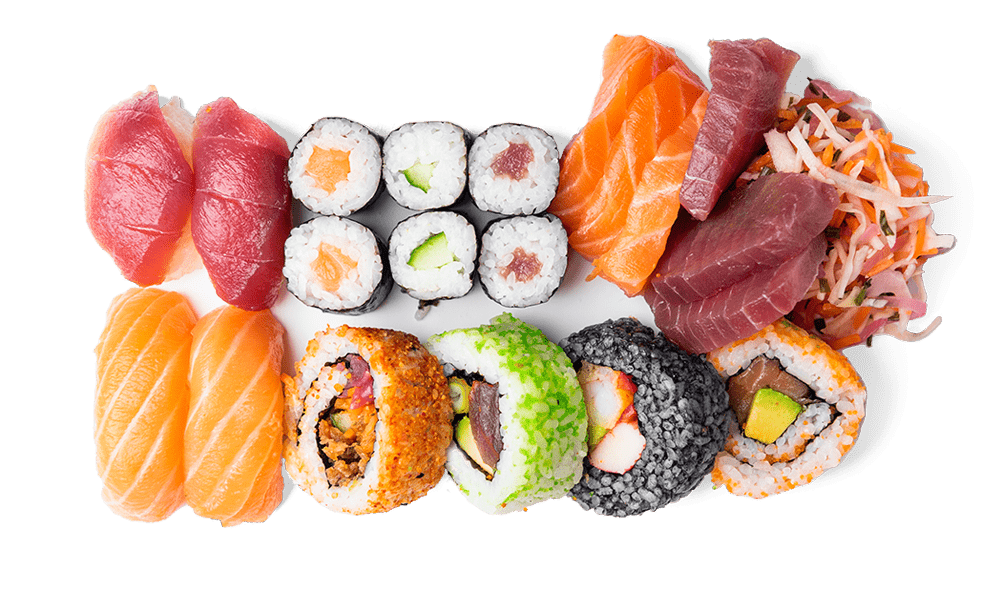
Maki sushi, or sushi rolls, are another well-known variety. These are made by wrapping a layer of rice and various fillings, such as fish, vegetables, or even tempura, in a sheet of dried seaweed called nori. The roll is then cut into bite-sized pieces and served with soy sauce, pickled ginger, and wasabi.
Sashimi, while not technically sushi, is often enjoyed alongside sushi dishes. It consists of thin slices of raw seafood, skillfully arranged on a plate. Sashimi showcases the freshness and quality of the fish and is typically served with soy sauce and wasabi.
One of the essential ingredients in sushi is rice. Sushi rice, also known as shari or sumeshi, is short-grained rice seasoned with a mixture of rice vinegar, sugar, and salt. The rice is cooked to perfection, absorbing the flavors of the seasoning while maintaining a slightly sticky texture that holds the sushi together.
Wasabi, a pungent green paste, is another crucial component of sushi. Made from the root of the Wasabia japonica plant, it adds a spicy kick to the sushi. Traditionally, a small amount of wasabi is placed between the fish and the rice in nigiri sushi. However, you can also mix it with soy sauce for dipping.
Soy sauce, or shoyu, is commonly served with sushi. It is a dark, salty sauce made from fermented soybeans and wheat. When enjoying sushi, it is customary to dip a piece of sushi into soy sauce before eating. However, it’s essential to exercise moderation to avoid overpowering the delicate flavors of the fish.
Pickled ginger, known as gari, is often served alongside sushi to cleanse the palate between different bites. It adds a tangy, refreshing element to the sushi experience.
When dining at a sushi restaurant, it is customary to use chopsticks for picking up sushi. However, it is acceptable to use your hands when eating nigiri sushi if you prefer. Remember to eat sushi in one bite to experience the harmonious combination of flavors and textures.
Lastly, freshness and quality are of utmost importance when it comes to sushi. The best sushi chefs take pride in sourcing the freshest seafood and ingredients. If you’re unsure about the quality of a sushi establishment, consider choosing a reputable restaurant known for its commitment to sourcing and handling ingredients.
Sushi is not only a culinary delight but also a representation of Japanese culture and craftsmanship. Understanding the basics of sushi allows you to appreciate its artistry and savor the unique flavors that this iconic dish has to offer. So, the next time you sit down for sushi, embrace the experience and embark on a gastronomic journey like no other.
 Sushi Expert